

 Image 1 of 4
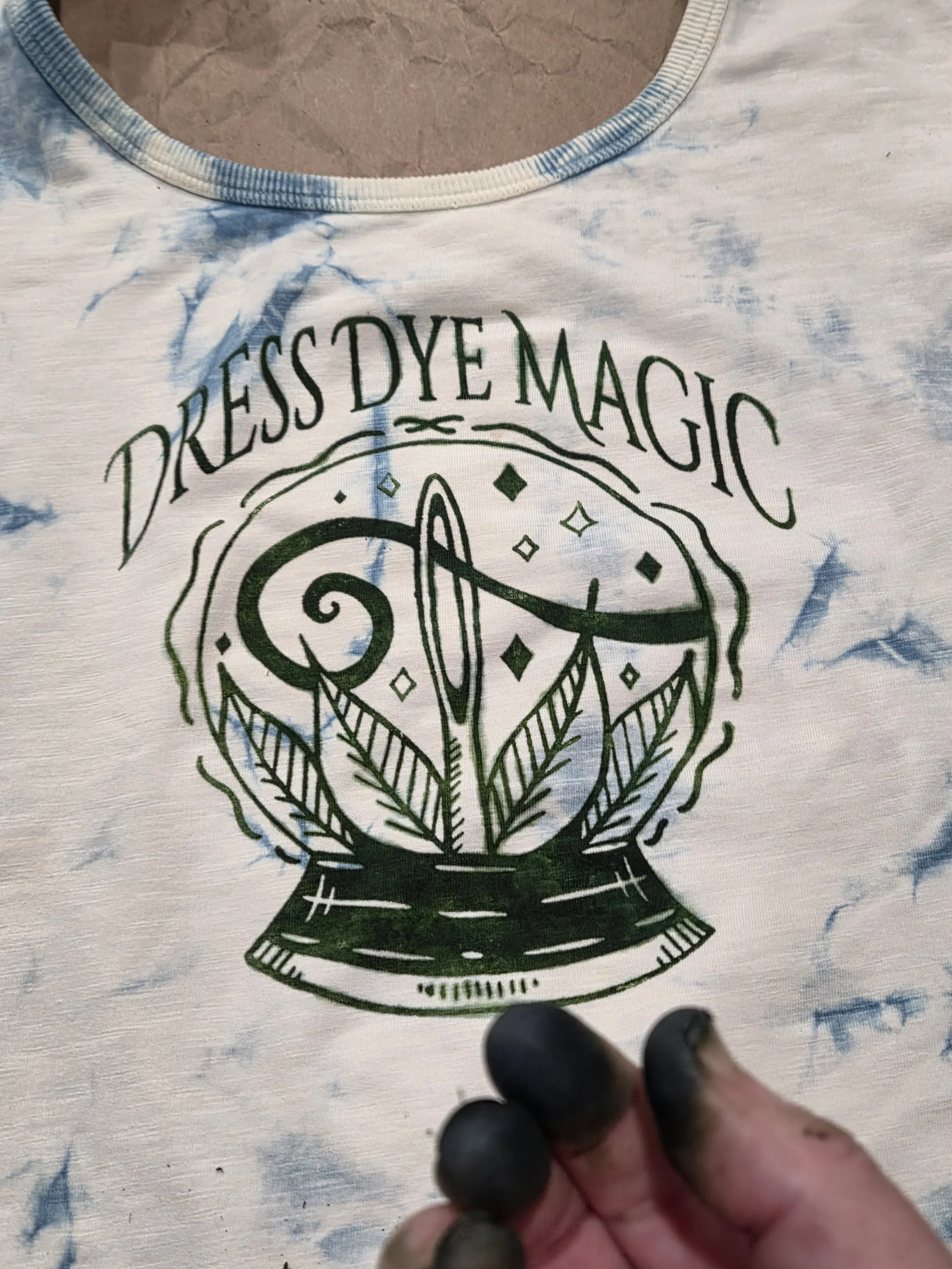 Image 2 of 4
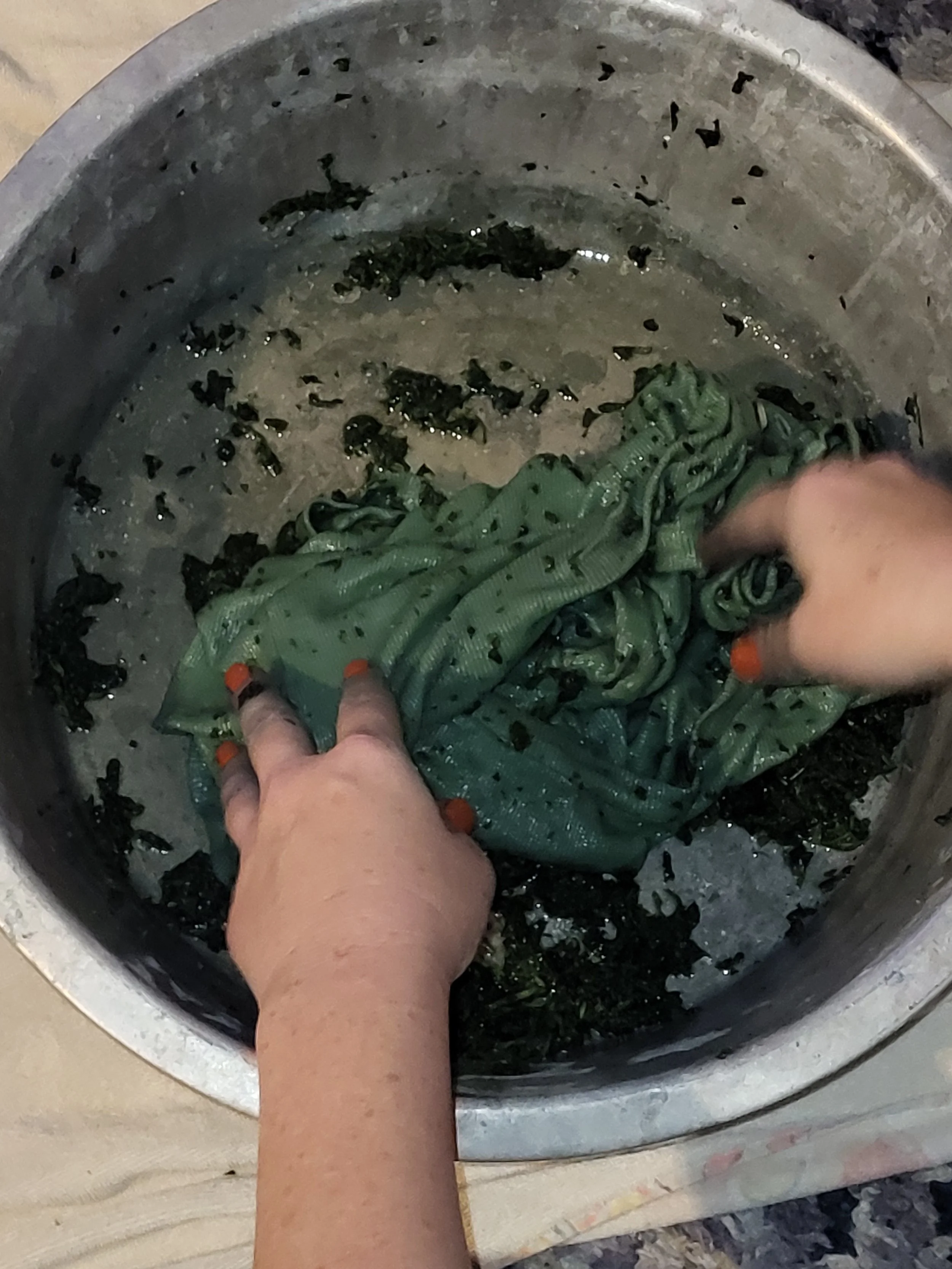 Image 3 of 4
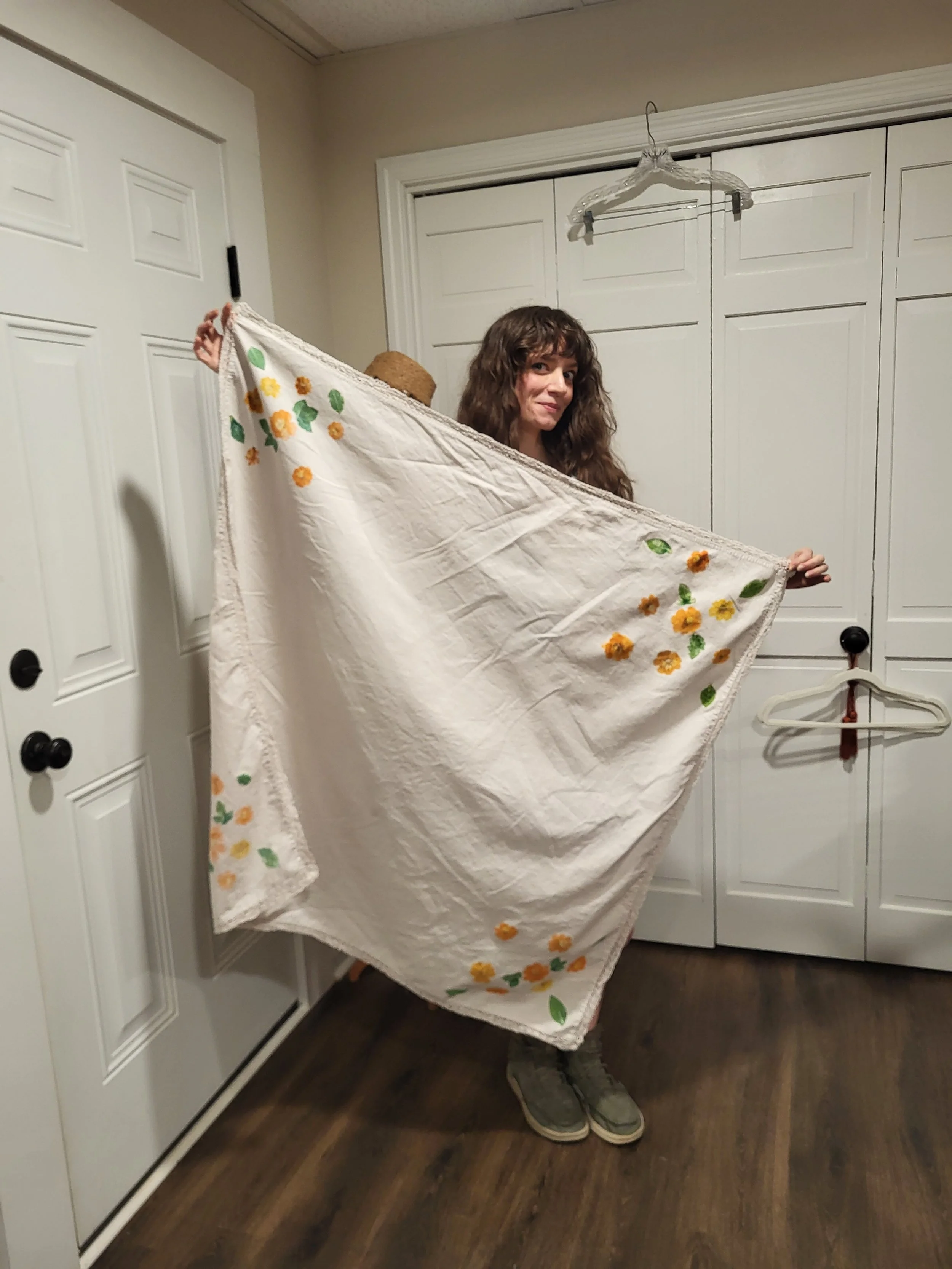 Image 4 of 4
“Nilini (indigo) is purgative…. It cures afflictions by evil spirits, poisoning, splenic disorders and upward movement of the wind.” (Tibetan Materia Medica)
A first of its kind natural dye workshop that explores the medicinal value within plants and their color. This is #4 in April’s Medicinal Color series, and we will be studying the medicinal uses and playing with the magical Japanese Indigo from her dye garden. Indigo has not only been used historically to produce color, but also as a medicine because it’s rich in nutrients and has healing properties. Faith in the healing power of colour is ancient. All parts of the plant have been used - crushed leaves, dye pigment, roots and seeds.
The polyphenol content in indigo is thought to be four times greater than that found in blueberries! Polyphenols are naturally occurring compounds in plants known for their antioxidant and anti-inflammatory effects, which promote human health and assist in the prevention of chronic disease.
Join April, September 2t6th at 2pm in her private studio as we sip indigo tea from a tea farm in Nagasaki, pick fresh leaves from the indigo garden and use them for printing or dyeing, or dye using the henna fructose vat. Participants will take home an indigo salve and a couple of Japanese Indigo seeds from April’s harvest last year!
After signing up and purchase, April will reach out with more details!
“Nilini (indigo) is purgative…. It cures afflictions by evil spirits, poisoning, splenic disorders and upward movement of the wind.” (Tibetan Materia Medica)
A first of its kind natural dye workshop that explores the medicinal value within plants and their color. This is #4 in April’s Medicinal Color series, and we will be studying the medicinal uses and playing with the magical Japanese Indigo from her dye garden. Indigo has not only been used historically to produce color, but also as a medicine because it’s rich in nutrients and has healing properties. Faith in the healing power of colour is ancient. All parts of the plant have been used - crushed leaves, dye pigment, roots and seeds.
The polyphenol content in indigo is thought to be four times greater than that found in blueberries! Polyphenols are naturally occurring compounds in plants known for their antioxidant and anti-inflammatory effects, which promote human health and assist in the prevention of chronic disease.
Join April, September 2t6th at 2pm in her private studio as we sip indigo tea from a tea farm in Nagasaki, pick fresh leaves from the indigo garden and use them for printing or dyeing, or dye using the henna fructose vat. Participants will take home an indigo salve and a couple of Japanese Indigo seeds from April’s harvest last year!
After signing up and purchase, April will reach out with more details!